Let's start with what depression actually does to desire
Depression doesn't just make you sad. It hijacks the dopamine and serotonin systems that fuel arousal, motivation, and pleasure. Your brain literally stops signaling "this feels good" even when something should. And if you're on antidepressants, some medications (SSRIs especially) layer on additional dampening. So when you say your desire has vanished, that's not a personal failure. That's neurology.
What's harder to talk about is this: as you heal, desire doesn't simply snap back on. It returns in stutters. Some days it's there. Some days it's nowhere. Your body might feel foreign, disconnected, numb in ways that have nothing to do with numbness medication causes. That's also normal. That's also healing.
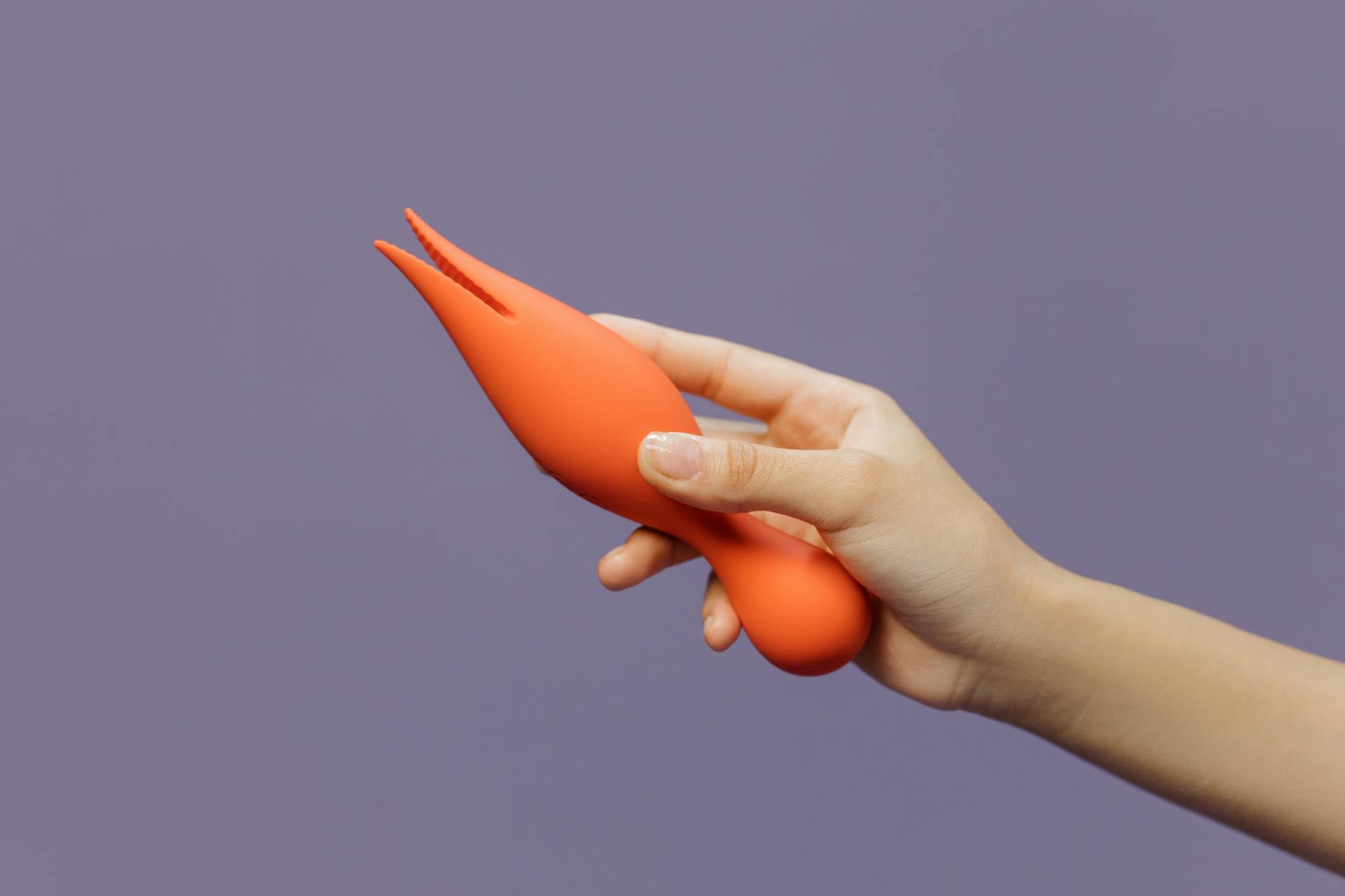
A lemon vibrator, specifically one like the Lem, can help during this rebuilding phase, but only if you approach it the right way. The wrong way is using it as a performance pressure or a "proof" that you're fixed. The right way is using it as a tool for gentle reconnection. There's a difference.
Why sensation returns before desire does
Here's something that surprises most people: you can start feeling physical sensation again before you feel the emotional wanting that usually accompanies it. Depression flattens both, but they don't always come back at the same speed.
A lemon clitoral vibrator is particularly useful during this gap because it triggers sensation without requiring desire to be present first. The Lem's suction mechanism bypasses the usual arousal cascade and delivers direct neural stimulation. You don't have to wait for your brain to feel into it. Your body can start registering "oh, that feels like something" before your mind catches up and says "I want more."
That gap between sensation and desire is where healing actually happens. You're not forcing pleasure. You're letting your nervous system remember what pleasure feels like.
The depression-specific setup that works
Forgot to mention: when depression is still present (or when you're early in recovery), the setup matters more than the device itself.
First, timing. Don't wait for spontaneous desire. Depression has already proven that won't happen. Instead, build a specific 20-minute window into your week when your body's energy is highest. For most people that's morning. Pick a day when nothing else is demanding attention. The whole point is removing the pressure to "be in the mood." You're not waiting for the mood. You're creating the conditions for sensation.
Second, environment. Make it genuinely comfortable. Not performance-comfortable. Actually comfortable. Soft bed, warm light (or no light), door locked. This isn't about ambiance as aesthetics. It's about your nervous system knowing it's safe to open up even slightly. Depression keeps your nervous system locked down. Safety unlocks it.
Third, the lemon vibrator itself. Start with the Lem on its lower settings. Pattern 1 or 2. Don't go searching for intense sensation. You're not trying to prove your body works. You're mapping where sensation exists right now. That might be less intense than before depression hit. That's the actual current, not the failure.
What your body might do (and why)
As you start reconnecting with a lemon clitoral vibrator, expect some surprises. Your arousal might peak faster or slower than it used to. You might feel sensation in places that used to be responsive but now feel muted. You might have moments of genuine pleasure followed by a wave of numbness or flatness. All of that is healing, not breaking.
Some people cry. Some people feel nothing and have to remind themselves that nothing isn't bad, it's just where they are today. Some people orgasm easily and then feel guilty about it (like they're supposed to still be struggling). None of these responses are wrong.
One thing I see frequently: people assume that if they can't reach orgasm with the lemon vibrator, they've failed at healing. Orgasm is the least important metric right now. Sensation is. Noticing is. Allowing your body to feel something other than heaviness is the win. If orgasm comes, great. If it doesn't, you've still done the work.
Working with numbness that lingers
Some antidepressants cause sexual side effects that persist. If you're on SSRIs or SNRIs, your body might be struggling with reduced sensation even as your mood improves. This is real, documented, and worth addressing with your prescriber. But while you're working that out clinically, here's what helps with the lemon vibrator.
Focus on pressure and texture, not speed. Higher vibration patterns don't always help when sensation is muted. Instead, try slowly moving the Lem in small circles, or pressing it firmly against your clitoris and letting the suction do the work without motion. This approach works because suction creates a different kind of stimulation than vibration alone. You're not chasing intense sensation. You're working with what your nervous system can actually access right now.
Also, give yourself permission to stop. If 20 minutes in, you feel nothing and you're getting frustrated, you don't keep going to earn the experience. You stop. You try again next week. Depression and numbness thrive on performance pressure. Healing happens in rest.
The partner conversation, if there is one
If you're rebuilding desire while in a partnership, your partner needs to understand something: your slower return to sexual interest isn't rejection. It's not about them. It's about your brain chemistry catching up to your healing.
The lemon vibrator is a solo tool right now. Not because partnered sex is bad, but because it removes the layer of needing to perform or coordinate. You're not demonstrating anything for anyone. You're just checking in with your own body.
If your partner wants to be involved eventually, that's a separate conversation, and it happens when your own reconnection is solid enough that partnered pleasure doesn't feel like an obligation. Some people need weeks. Some need months. There's no timeline.
What your partner should know is this: you're not broken, and the vibrator isn't a sign you've given up on partnered sex. You're doing the foundational work that makes partnered sex actually possible again instead of something you endure.
When to add back partners or intensity
Three signs that you're ready to expand beyond solo exploration with the lemon vibrator.
First, you're reaching for the Lem without scheduling it. Desire is starting to feel self-directed instead of obligatory. You think about pleasure because you want to, not because you're trying to prove you're healed.
Second, your orgasms (if they're happening) feel like something, not nothing. Even if they're milder than before, they register as pleasure instead of just physical release.
Third, you've had a few sessions where you feel genuinely good afterward instead of numb or emotionally fragile. That's your nervous system stabilizing. That's the signal that partnered sex or a different kind of exploration won't feel like stepping onto a ledge.
When you do reintroduce partners, go slower than you think you need to. Let them know that intensity can be overwhelming. Your lemon vibrator gave you a baseline for what's safe for your body right now. More doesn't equal better. Aligned with your actual readiness is what matters.
FAQs: Rebuilding desire after depression
Can I use a lemon vibrator while I'm still on antidepressants that affect arousal?
Completely. The vibrator isn't working against the medication. It's working with your actual capacity right now. As your body adjusts to the antidepressant, or if your prescriber changes your dose or switches you to something with fewer sexual side effects, your sensation might shift. But using the Lem while you're on SSRIs or SNRIs isn't counterproductive. It's actually gathering data about where your body is, which is useful information for your prescriber and for you.
What if I feel depressed after using the vibrator?
That's worth checking in with. Sometimes people feel vulnerable or sad after reaching for pleasure again, because pleasure was something depression took from them. That grief is real and valid. But if you're consistently feeling worse after, that might be a sign to pause and talk to your therapist. Healing shouldn't create a pattern of emotional drops. If it is, you might need more support before reintroducing sexual exploration.
How long before desire actually comes back?
It varies wildly. Some people notice shifts within weeks. Some take months. Your timeline depends on the severity of your depression, how long it lasted, what medication you're on, your history with desire before depression, and honestly, your individual neurology. The only harmful timeline is the one where you're pushing yourself according to someone else's expectations. Your timeline is the right one.
Should I use the lemon vibrator with a partner right away or wait?
Wait. Not because partnered sex is bad, but because right now you need to know what sensation feels like for you, without the layer of performing for someone else. Once you've built that foundation, partnered exploration is possible. But the foundation comes first. The lemon vibrator is the foundation-building tool.
What if the vibrator makes me feel worse about how numb I am?
That's a signal to stop and return to talking to your therapist or prescriber. If the contrast between what you felt before depression and what you feel now is overwhelming, that's worth processing with professional support before you continue. The Lem is a tool for reconnection, not a shortcut past grief. If grief is what's coming up, sit with the grief. The vibrator will be there when you're ready to gently explore again.
Can the lemon vibrator help if I don't ever orgasm again after depression?
Yes. Orgasm is one expression of pleasure and connection, but it's not the only one. If your nervous system can feel sensation, warmth, attention, and presence again, that's healing, regardless of whether climax returns. Some people who've had severe depression find that their baseline for pleasure shifts. That's not a loss. That's just where pleasure lives in their body now.
One last thing
Healing from depression isn't linear. You'll have weeks where desire feels close and weeks where it's completely gone again. That's not failure. That's the actual rhythm of coming back to your body.
The lemon vibrator is a tool for those in-between weeks when you want to gently reconnect but you're not sure where to start. No performance, no pressure. Just sensation. Just your body, slowly remembering what it feels like to feel something good.
If you're struggling with the emotional side of rebuilding desire, or if depression is still heavy, reach out for support. <a href="/contact">Get in touch with us</a> or work with your therapist or prescriber. You don't do this alone.
Your desire will come back. Maybe not exactly as it was. But it will come back.