Let's start with the uncomfortable truth
After a breakup, your body can feel like borrowed territory. For months or years, pleasure was tangled up with someone else's timing, someone else's moods, someone else's presence in the room. Now it's just you. And that can feel less like freedom and more like standing in an empty apartment not knowing what to do with the silence.
Here's what I see in my practice: newly single people often skip over solo pleasure entirely because it feels awkward, self-conscious, or like they're supposed to be grieving instead of exploring. But rediscovering your own pleasure isn't a betrayal of the relationship that ended. It's actually the clearest path back to yourself.
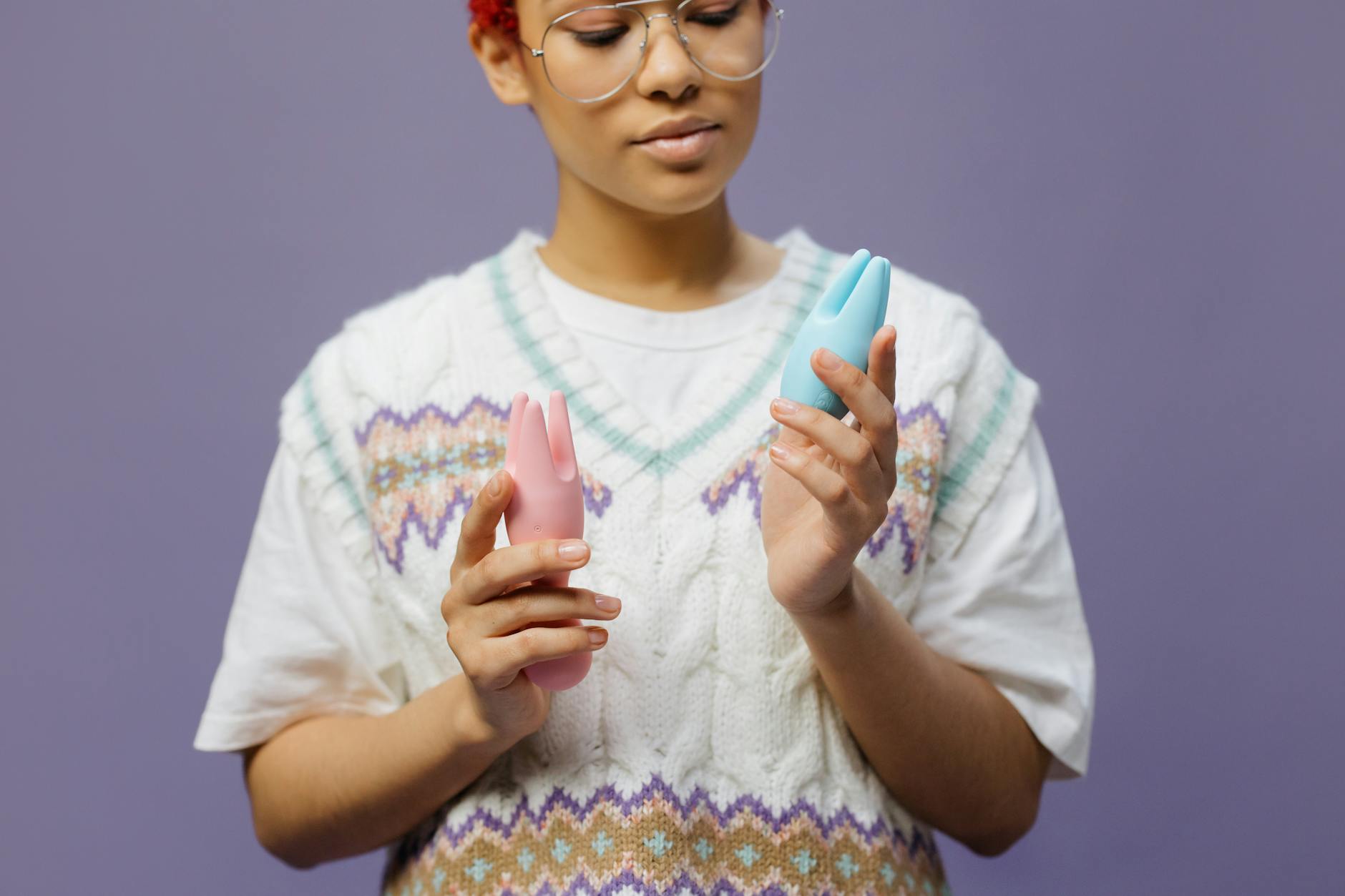
A lemon clitoral vibrator like the Lem is designed specifically for this kind of exploration. It's portable, discreet, and forgiving of the fact that your body might feel unfamiliar right now. Let's talk about how to use one in a way that actually feels good instead of like another obligation.
Why solo pleasure feels so different after a breakup
When you've been partnered, your arousal system is calibrated to someone else's presence. You might be used to needing foreplay from a partner, or their energy in the room, or the validation of being wanted by them. Remove that person, and suddenly your body doesn't know its own cues anymore.
Add in the emotional stuff. Breakup grief is real. Your nervous system might be dysregulated. You could be oscillating between anger and sadness, or feeling numb one day and hypersensitive the next. Pleasure requires a baseline level of nervous system calm. You can't feel genuinely aroused if your body is in fight-or-flight mode mourning the loss of someone you loved.
That's why this transition matters so much. Using a lemon vibrator solo isn't about rushing back into pleasure. It's about slowly rewiring your nervous system to recognize that good feelings can come from inside you, not from external validation.
Start with no expectations (seriously)
The biggest mistake newly single people make is treating solo pleasure like a performance. They feel like they should orgasm, or that they're "doing it wrong" if the first session doesn't feel magical. Then they quit.
Reframe this entirely. Your first few sessions aren't about reaching an end goal. They're about reintroduction. You're learning your own body again in a completely new context.
Set aside 20 minutes when you're genuinely alone and won't be interrupted. Not while scrolling your phone. Not while thinking about whether you should text them. Just you, a comfortable place, and the space to feel whatever comes up.
Start with the lemon vibrator on the lowest setting. Don't jump to intensity. Place it gently against your clitoris and let yourself notice what sensations you feel. Is it pleasant? Overstimulating? Just okay? There's no right answer here. You're gathering data on your own body.
The pattern problem (and how to fix it)
Many people who've just ended a relationship fall into a trap: they run straight to the strongest pattern or setting because they're chasing the intensity they remember from partnered sex. Then when they don't feel it, they assume something's broken.
Nothing is broken. Your nervous system just needs slower, steadier input right now.
With a lemon vibrator, start at pattern 1 or 2 (if your device has patterns) and stay there for several sessions. Let your body get used to the sensation. Your clitoris has thousands of nerve endings, and they're incredibly responsive to novelty. You don't need high intensity to feel pleasure. You need consistency and patience.
Most newly single clients I work with report that once they slow down and stop chasing what they remember, they discover new sensations they've never felt before. That's the gift of starting over solo.
The emotional layer (don't skip this)
Physical pleasure and emotional safety are not separate systems in your body. They're the same nervous system. If you're still activating memories of your ex, or replaying the breakup, or battling shame about being alone, your body will close down no matter how good the vibrator is.
Before you use your lemon clitoral vibrator, spend a few minutes on emotional setup. This might sound strange, but it works.
Try this: lie down and place one hand on your heart and one on your belly. Breathe normally. Then gently remind yourself: "This is my body. My pleasure belongs to me. I'm learning what I like." You don't need to believe it fully. You're just creating a new neural pathway.
If grief comes up during a session, that's completely normal and fine. Stop. Breathe. Let it move through. Your body is processing something real. Come back to the vibrator when you're ready, or don't. There's no timeline here.
Privacy and reclaiming your space
One of the simplest but most powerful shifts after a breakup is realizing your home is entirely yours now. You don't have to negotiate bedtimes or worry about someone walking in or perform pleasure for an audience.
Use that privacy intentionally. Find the place in your home where you feel most relaxed. Maybe that's your bed. Maybe it's a quiet corner with a pillow and a blanket. Make the space feel good. Dim the lights if that helps. Put your phone in another room so you're not tempted to scroll or check messages.
The lemon vibrator is small and quiet, which means you can take time to figure out what environment helps you feel most present. Some people need complete silence. Others want music playing. Some want to shower first. There's no rule. You're building a ritual that belongs entirely to you.
Why lemon vibrators specifically work for this transition
The lemon clitoral vibrator is designed with a specific kind of stimulation in mind. It uses air-suction technology rather than direct vibration, which means it feels gentler and more diffuse than traditional vibrators. For someone who's just learning their body again, that's genuinely helpful.
There's also something psychologically useful about having a discreet, beautiful device. You're not using a clinical-looking thing that screams "sex toy." The Lem looks like something that could be a designer object on your nightstand. That small shift in how you relate to the device can actually change how you experience pleasure. You're not hiding from yourself. You're claiming it.
Building a sustainable practice
Once you've had a few sessions and you're starting to feel more comfortable, aim for consistency rather than intensity. Two to three times per week is enough to rebuild the neural pathways between your body and pleasure.
You might find that you want to explore different times of day. Some people feel most aroused in the morning. Others prefer evening. You might notice that you feel different depending on where you are in your cycle, or how stressed you've been that week, or how much sleep you got.
This is all useful information. You're becoming fluent in your own body again.
As you progress, you might find yourself wanting to explore different settings or patterns on your lemon vibrator. That's great. But don't rush it. Let curiosity lead, not performance anxiety.
When to involve a partner again (if you want to)
If and when you decide to date again, the self-knowledge you've built here is genuinely valuable. You'll know what you like. You'll know how your body responds. You won't be starting from scratch wondering if something's wrong with you.
You also won't need a partner's presence or validation to access your own pleasure. That shifts the entire dynamic. Partnered sex becomes something you choose to do together, not something you need to feel complete.
If you ever feel stuck rebuilding solo pleasure, or if shame or trauma keeps resurfacing, that's a signal to work with a therapist. There's no shame in getting support. Breakups are actually the perfect time to do that deeper work.
FAQ
How long does it take to feel comfortable using a lemon vibrator solo after a breakup?
There's no fixed timeline. Most people I work with report that by week three or four of consistent use, the awkwardness has mostly lifted. But some people need a few months, and that's completely normal. You're rewiring years of partnered patterns. Be patient with yourself.
Is it normal to feel sad or emotional during solo pleasure after a breakup?
Absolutely. Your nervous system is processing a lot. Pleasure and grief can exist in the same moment. If emotions come up, pause, breathe, and let them move through. You're not doing anything wrong.
Can I use a lemon clitoral vibrator if I'm still in contact with my ex?
Technically yes, but I'd gently suggest waiting if possible. Staying in contact keeps your nervous system activated around them. Solo pleasure is harder to access when you're still receiving messages or running into them. Create some space first, even if it's just a few weeks.
What if I feel shame or embarrassment about using a vibrator solo?
Shame is learned. It's not inherent. If it comes up, that's worth exploring with a therapist, especially if it's blocking you from pleasure. In the meantime, remind yourself that self-pleasure is normal, healthy, and yours to claim. Many newly single people report that solo pleasure becomes their favourite kind of pleasure once they stop apologizing for it.
Should I tell friends I'm exploring solo pleasure after my breakup?
That's entirely up to you. There's no obligation to share. But many people find that talking about it matter-of-factly with trusted friends actually reduces shame. It normalizes the experience. You might be surprised how many people say, "Yeah, I did that too."
How do I know if I'm using my lemon vibrator correctly?
If it feels good and you're not in pain, you're using it correctly. There's genuinely no wrong way. Explore. Notice. Adjust. Your pleasure is the only feedback you need.